Korean Web Novel Romance Tropes, Explained
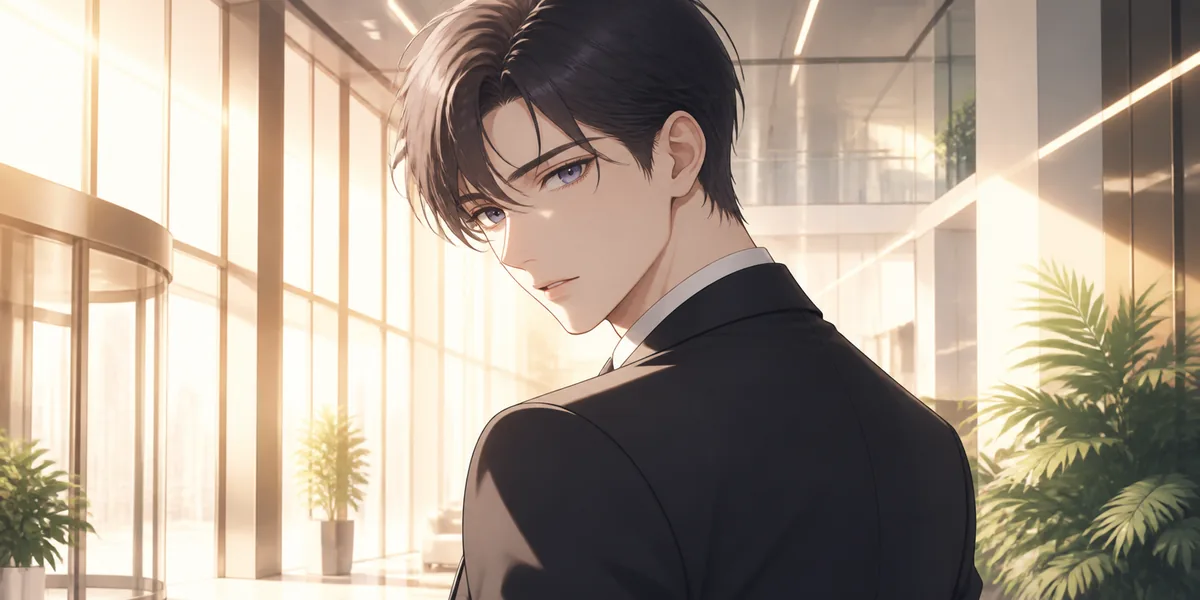
If you have read a Korean webtoon or web novel lately, you have met these tropes. They look like clichés from the outside, but each one is a compact promise about how a story will hurt and then heal. Here is what they actually mean.
Chaebol (재벌) — the heir who owns the building you work in
A chaebol is a family-controlled conglomerate. In Korea a handful of them touch almost every part of daily life, so "chaebol heir" is not just "rich guy" — it is someone born into a structure that decides who he marries and what he is allowed to want.
That is why the trope works. The tension is never really about money. It is about a person who can buy anything except the one choice he wants to make.
Regression (회귀) — dying, then waking up years earlier
The protagonist fails catastrophically, dies, and opens their eyes ten years in the past with every memory intact. Regression is the revenge fantasy and the do-over fantasy welded together.
The pleasure is dramatic irony turned up to maximum. You know which smiling face betrays her. She knows too. Nobody else does yet.
Contract relationship (계약 관계) — love with a signed exit clause
Contract marriage, contract dating, a fake engagement to satisfy a dying grandfather. Two people agree in writing that this is not real, with a defined end date.
The engine is simple and merciless: every genuine feeling is a breach of contract. The clause that was supposed to protect them becomes the thing they have to break.
Obsession (집착) — devotion past the point of comfort
A love interest whose attention never wavers, never cools, and never quite respects the door being closed. Korean romance treats obsession as a distinct flavor rather than a villain trait — the appeal is being wanted with an intensity that ordinary affection never reaches.
Well-written obsession keeps one honest question alive underneath: is this love, or is it ownership? The good stories never fully answer it.
Pipye (피폐) — stories that leave a mark
Literally "ruined" or "worn down". Pipye is the tag for romance that hurts: damaged people, misunderstandings that last years, love that arrives too late to fix anything.
It is the opposite of comfort reading, and it has a devoted audience for exactly that reason. You do not read pipye to feel better. You read it to feel something sharp.
Hunters and gates (헌터물) — the modern fantasy backbone
Gates to other dimensions open in the middle of Seoul. Awakened humans called hunters are graded from E to S and clear them for pay. It is an office job with a monster attached.
The setting exists to put ordinary social hierarchy and lethal danger in the same room — a guild ranking is a corporate ladder where falling off means dying.
Reading them yourself
These tropes are more fun from the inside. On MusePick you can talk directly to characters built on them — a chaebol team lead who is sharp with everyone but clumsy with you, a regressor who knows what happens next, a saintess running a cult she invented.
Browse stories